
A West Texas Guide
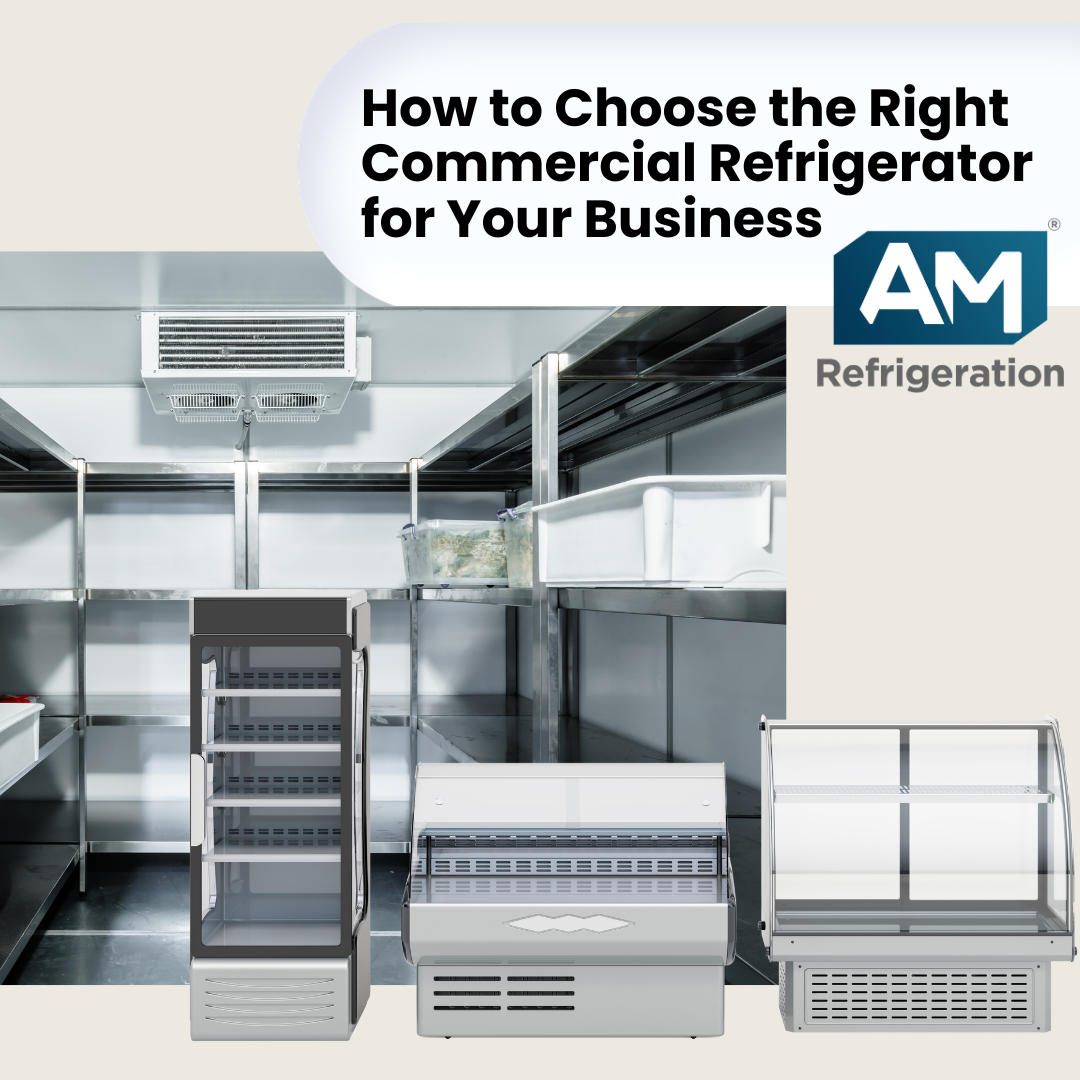
Choosing a commercial refrigerator isn't like picking out a home appliance at Best Buy. You're making an investment that directly impacts your food safety, product quality, energy costs, and bottom line. Get it wrong, and you're stuck with the wrong equipment for 10+ years—or worse, you face equipment failures that spoil inventory and lose customer trust.
This guide walks you through every decision you need to make: refrigeration type, capacity, temperature zones, layout, and compliance. By the end, you'll know exactly what your business needs.
Step 1: Determine Your Refrigeration Type
This is the foundational choice. Different business types need different solutions.
Walk-In Coolers & Freezers: The Workhorse for Most Businesses
Walk-ins are the most versatile commercial refrigeration option. They're essentially insulated boxes with refrigeration systems built in. You can store pallets, cases, and loose product. Temperature is controlled by the system, not by individual unit settings.
Walk-in coolers (32-38°F) work for fresh produce, dairy, meats, prepared foods—basically anything that needs to stay cold but not frozen.
Walk-in freezers (0°F or below) handle frozen goods, long-term storage, and products that need extended shelf life.
Why restaurants, grocery stores, and markets in El Paso choose walk-ins:
Highest storage capacity per square foot
Best for high-volume operations
More cost-effective than multiple smaller units as volume increases
Customizable to your space and needs
Superior for West Texas heat management (large, efficient cooling systems)
Typical sizes: 8x8 ft to 20x30 ft (or larger). Most businesses start with one walk-in cooler and add a freezer as volume grows.
Cost range: $15,000-$25,000+ (depends on size, insulation, build quality, custom features)
Best for: Restaurants, grocery stores, markets, caterers, food service facilities, any business storing 100+ lbs of product daily.
Reach-In Refrigerators & Freezers: Flexible, Accessible
Reach-ins are the smaller cousins of walk-ins. They're the units you open a door on and pull product from the front. They come in single, dual, or triple-door models.
Reach-in coolers store fresh items with easy employee access—perfect when you're pulling product frequently throughout the day (like a busy kitchen line).
Reach-in freezers work similarly but at freezing temps.
Advantages:
Employees can access product without stepping inside
Smaller footprint (fits in tighter spaces)
Lower upfront cost than walk-in
Good for specialized storage (prep cooler, backup freezer, specific ingredients)
Typical capacity: 27-49 cubic feet per unit
Cost range: $5,000-$10,000+ per unit
Best for: Secondary storage, prep areas, specialized product (seafood, dairy, deli items), businesses without the space for a walk-in.
Display Cases & Merchandisers: Show & Sell
If you're selling directly to customers (grocery stores, delis, butcher shops, ice cream shops), display cases are essential. They keep product cold while customers can see what they're buying.
Open-top display cases work for pre-packaged or self-serve items (ice cream, prepared foods, desserts).
Closed-front display cases protect deli meats, cheese, prepared foods from contamination while allowing visibility.
Cost range: $8,000-$15,000+ depending on size and type
Best for: Grocery stores, markets, delis, bakeries, any retail operation.
Combination Approach (Walk-In + Reach-In)
Many successful operations use multiple units by design:
Walk-in cooler for bulk storage (meats, produce, dairy)
Walk-in freezer for frozen goods
Reach-in coolers in the kitchen or prep area for active cooking
Display case for customer-facing product
This is especially smart for restaurants, markets, and catering operations in El Paso where you're managing large volumes while keeping product accessible to staff.
Step 2: Calculate Capacity Needs
This is straightforward but critical. If you undersize, you'll run out of space and overwork your equipment. Oversized is wasteful and inefficient (especially in West Texas heat).
Quick calculation:
Monthly inventory turnover: How much product moves through your business per month?
Peak storage: What's the maximum amount on hand at one time?
Growth plan: What will you need in 2-3 years?
For more tips and specific examples, view the complete blog post document.
Key Takeaway
Choosing commercial refrigeration isn't one-size-fits-all. Your decision should account for your business type, volume, budget, growth plans, compliance needs, and West Texas climate considerations.
At AM Refrigeration, we specialize in helping El Paso restaurants, markets, and food service businesses find and build the right solution. From custom walk-in design and build to reach-in selection to compliance review, we're here to ensure you make the right choice.
Ready to discuss your refrigeration needs? Contact AM Refrigeration for a consultation.